Frozen pipes: how to protect your property from a winter water disaster

Frozen pipes are one of the biggest winter risks for homeowners and landlords. When water freezes inside pipes, it expands and can cause bursts, flooding, and expensive damage. Understanding the risk and knowing how to prevent it can save you thousands and spare you a major headache. This guide explains how to prevent frozen pipes, what to do if one freezes, and how smart monitoring from Watergate can help protect your property from costly winter leaks.
Why frozen pipes are a serious problem
When water freezes, it expands by around 9%. Inside a confined pipe, that pressure has nowhere to go. The result? Cracks, bursts, and uncontrolled leaks once the ice thaws.
Even a small crack can release hundreds of litres of water in minutes, soaking floors, walls, and ceilings. This is particularly dangerous for homes that are unoccupied, such as rental properties, holiday lets, or second homes.
Last year, home insurers settled roughly 12,000 weather-related claims for burst pipes, with the average claim exceeding £17,000 according to the ABI.

How to spot a frozen pipe
Common signs include:
-
No water (or only a trickle) coming from taps
-
Frost or condensation visible on exposed pipes
-
Unusual sounds like gurgling or clanking when you turn on taps
-
Damp patches, bulges, or frost on walls where pipes are hidden
If you suspect a frozen pipe, act fast. Turn off your water supply at the stopcock to relieve pressure and prevent a burst. Then, gently warm the pipe using a hairdryer or warm towels (never an open flame).
How to prevent frozen pipes
You don’t need special equipment to reduce the risk of freezing, just a bit of preparation and awareness. Here are practical steps you can take:
-
Insulate pipes
Wrap exposed pipes with foam or fibreglass insulation, especially in unheated spaces like lofts, garages, and crawl spaces.
-
Keep cabinets open
Let warm air circulate around plumbing under sinks and behind cupboards by keeping doors open during cold spells.
-
Drip taps
Allowing taps to drip slightly keeps water moving, preventing pressure build-up and reducing the risk of freezing.
-
Seal gaps
Check for drafts where cold air could reach pipes, such as around vents, doors, or cable openings, and seal them up.
-
Keep the heat on
Maintain a consistent temperature of at least 12°C, even when you’re away. A smart thermostat can make this easier and more efficient, especially for landlords and owners of holiday homes.
-
Drain outdoor hoses
Disconnect garden hoses, drain them, and turn off external water supplies.
-
Know your stopcock
Make sure everyone in the property knows where the main shut-off valve is and how to use it.
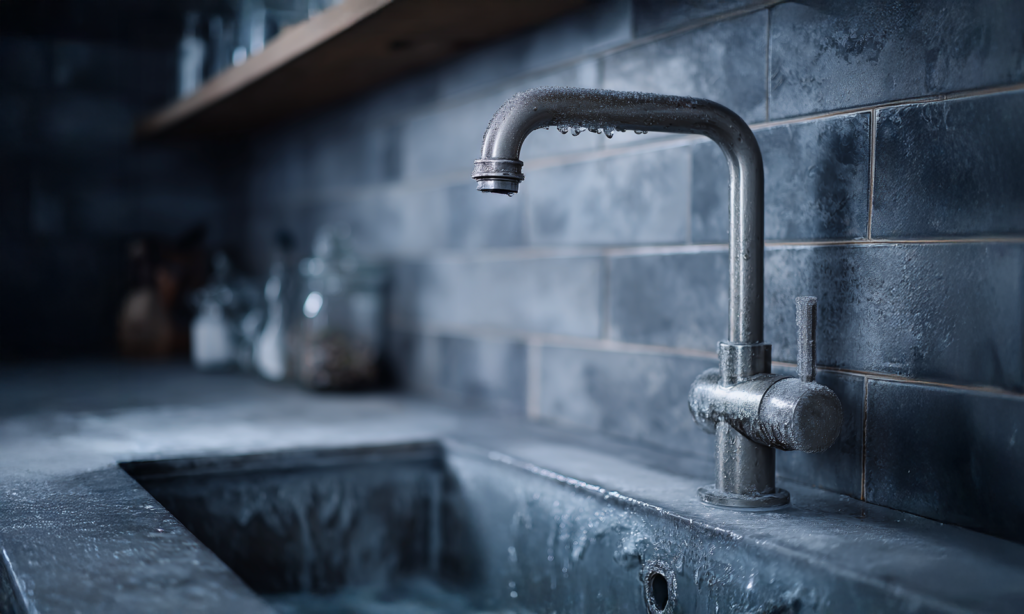
If you discover a frozen pipe
Turn off your water immediately at the stopcock
-
Do not use a blowtorch or open flame to thaw pipes
-
Gently warm the pipe with a hairdryer or towels soaked in warm (not boiling) water
-
Call a plumber if you’re unsure or can’t locate the frozen section
How Watergate helps prevent burst pipes
Watergate’s smart water monitoring technology doesn’t just detect leaks; it also keeps an eye on pipe temperatures.
Our continuous temperature monitoring means we can alert property owners when conditions suggest a freezing risk, giving you time to take action before damage occurs.
This is especially valuable for:
-
Landlords managing multiple properties remotely
-
Short-term let operators with vacant or intermittently used homes
-
Homeowners who travel frequently or own second homes
Frozen pipes are a common winter hazard, but they don’t have to be a disaster.
With a few preventive steps, and if you choose, smart protection like Watergate’s continuous monitoring, you can enjoy peace of mind all winter long.

Commercial & Communications Director
Gareth is a self-confessed ‘water geek’ and sits on a number of industry water efficiency working groups. He is Commercial & Communications Director at Watergate.